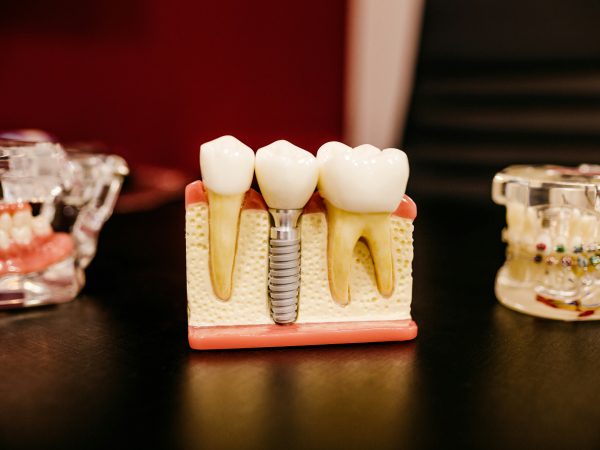
root canal

Root Canal Infection: Symptoms, Causes & Treatment

It’s common to experience minor pain and sensitivity after a dental procedure like a root canal treatment. But, when post-treatment discomfort becomes a persistent pain, it might indicate an infection after root canal treatment.

But what are the symptoms of the infected tooth after root canal treatment?

Let’s explore post-root canal infections and what you can do about them.

What Is a Root Canal Infection?

A root canal infection is a bacterial infection in the inner parts of the tooth, specifically in the canal system where the pulp tissue is situated. The infection can occur for multiple reasons, including severe tooth decay, dental trauma, a cracked or broken tooth or a root canal treatment complication.

This infection often causes teeth to become abscessed, leading to severe pain and tooth sensitivity. It can also potentially affect the underlying bone structure. If not treated in time, a root canal infection may result in tooth loss or the spread of infection in other parts of the body.

What Are the Signs of a Root Canal Infection?

Severe Pain and Tooth Sensitivity

One of the most common signs of an infected root canal is intense pain when biting, chewing, or in extreme temperatures. The pain can occasionally be mistaken for a sinus headache or mistaken as pain referred from other areas.

Foul Taste and Bad Breath

An unpleasant taste in the mouth or unusually bad breath, which are symptoms of infection after root canal surgery, may indicate an infected root canal. These signs can also be mistaken for other oral issues, but they are often due to the presence of harmful bacteria causing the infection.

Swollen Lymph Nodes

Swelling of the lymph nodes around your jaws can also be one of the infected root canal complications. They may become tender to touch and can sometimes cause difficulty in opening the mouth.

Prolonged Gum Swelling

Prolonged gum swelling around the treated tooth may be due to a root canal infection. A persistent abscess or “pimple” on the gums signifies that the infection is not fully eradicated.

Discolored or Darkened Tooth

A discolored or darkened tooth is a sign of an infected pulp and needs to be examined by a dental professional. This discoloration can range from a faint darkening to a noticeable black or grey hue.

How Can a Root Canal Tooth Get Infected?

1. Tooth Decay and Deep Cavity

Untreated tooth decay and a deep cavity can allow bacteria to enter the tooth root, leading to an infection in the dental pulp. Over time, the infection can spread to the pulp chamber, causing a root canal infection. This is often the case after neglecting oral care or avoiding regular dental visits, letting tooth decay progress unchecked.

2. Failed Root Canal Treatment

Improperly cleaned out canals or incomplete initial treatment can leave residual nerve tissue and contribute to a post-root canal infection. This can be due to a variety of factors, including uncommon root canal shapes or obscured canals that were not addressed during the initial treatment.

3. Cracked or Damaged Dental Crown or Filling

A cracked dental crown or a defective filling can expose the root canal to harmful bacteria, causing an infection. In these cases, the protective barrier created by the crown or filling has been compromised, giving bacteria easy access to the vulnerable inner tooth.

4. Delayed Dental Crown Placement

After a root canal procedure, a temporary filling is placed to protect the tooth. If the permanent crown is not placed soon, it can lead to an infection. Delays in follow-up appointments and final crown placement create a window of opportunity for potential bacteria invasion.

5. Oral Infections and Gum Disease

Existing oral infections or gum disease can contribute to a root canal infection. Advanced gum disease or periodontitis can also cause root canal infections as harmful bacteria penetrate the tooth root through the diseased gum tissue.

How Can You Treat Root Canal Infection?

Treating a root canal infection can often seem daunting. However, restoring your oral health is essential, especially when dealing with root canal complications. The treatment generally involves removing the infected or inflamed pulp from inside the tooth, carefully cleaning, disinfecting and then filling or sealing the area.

This reduces pain and halts the spread of infection, preventing further damage to the affected tooth. Remember that treatments can vary based on the particular condition, the severity of the infection, and the patient’s comfort level.

Additionally, a well-executed follow-up plan, including dental hygiene and regular check-ups, is crucial to avoid post-procedure complications and ensure the longevity of the treated tooth. If not treated promptly, root canal complications could eventually lead to tooth loss. Don’t hesitate to ask your dentist any questions you may have about the procedure.

How to Prevent Root Canal Infection

  • Maintenance of Oral Hygiene. Making brushing and flossing a regular part of your daily routine can help ward off infections. Use a high-quality fluoride toothpaste and a good toothbrush to maintain optimal dental hygiene.
  • Regular Dental Checkups. By visiting your dental professional regularly, potential issues can be caught early and treated promptly. These visits can help identify and address issues at their onset, reducing the risk of infection.
  • Avoiding Acidic Foods. Limiting your intake of highly acidic foods and drinks can protect your teeth from decay. Acidic foods and drinks can erode enamel, which can then expose the underlying dentin or root of the tooth.
  • Using Antiseptic Mouthwash. Regular use of an antiseptic mouthwash can help keep harmful bacteria at bay. This is not a replacement for brushing and flossing but another tool in your oral hygiene routine.
  • Wearing a Protective Barrier. Using a night guard or sports mouth guard can protect your teeth from injury and subsequent infection. Wearing a protective barrier provides a physical shield against potential injury or damage.

Don’t Ignore the Warning Signs of Root Canal Infection—Contact Dedicated Dental Studios Today

If you’re experiencing any of the symptoms of an infected root canal, do not ignore them. At Dedicated Dental Studios, we put our patients’ oral health first. We offer convenient, comfortable, and comprehensive dental care. Our dedicated team will take the time to explain your treatment and answer any questions you may have.

Contact us today to book an appointment. We look forward to providing you with the best in dental care.
Cosmetic dentistry vs general dentistry

Cosmetic Dentistry Vs General Dentistry: Which One You Need?

Are you struggling with severe tooth decay requiring a procedure such as a root canal treatment? Or are you simply looking to enhance your smile with a cosmetic procedure like porcelain veneers?

Deciding between general and cosmetic dentistry can often take a lot of work. While both fields promise to enhance your oral health, they offer different services and cater to distinct patient needs.

Understanding the difference between cosmetic dentistry vs general dentistry and deciding which is right for you can be the key to getting the most out of your dental care.

What Is General Dentistry?

Also known as family dentistry, general dentistry is focused on maintaining oral hygiene and dental health. A general dentist offers a wide range of services for patients of all ages, from kids to adults.

It includes services like:

  • Regular cleanings
  • Dental examinations
  • Fillings
  • Root canals
  • Tooth extractions
  • Dentures
  • Crowns
  • Bridges
  • Treatment for gum disease
  • Oral cancer screenings

These restorative treatments aid in maintaining oral function and treating common dental conditions.

What Is Cosmetic Dentistry?

Cosmetic dentistry aims to improve the appearance of teeth. So, what is considered cosmetic dentistry? This treatment may include:

  • Teeth whitening
  • Dental veneers
  • Dental bonding
  • Dental implants
  • Orthodontic treatment
  • Gum contouring
  • Dental crowns
  • Enamel shaping

Other types of services include tooth-colored fillings and composite resin shells. These procedures can address decayed teeth, misaligned teeth, discolored teeth, stained teeth, and more.

Are Dentures Considered Cosmetic?

Dentures, while often considered a restorative treatment, can also fall under the category of cosmetic dentistry. This is especially true when viewed from an aesthetic aspect. Dentures not only restore the function of missing or decayed teeth, but they also enhance the appearance of the patient’s smile.

Cosmetic Dentist Vs. General Dentist: What Are Their Differences?

1. Extent of Specialization

A cosmetic dentist and a regular dentist provide distinct areas of specialization. A regular dentist or a dental professional mainly focuses on dental care involving oral health and hygiene, provides treatments for tooth decay or oral health issues, conducts preventive care through regular cleanings and dental exams and manages basic dental conditions like cavity fillings, tooth extractions etc.

However, a cosmetic dentist provides services aimed at enhancing the visual attractiveness of the patient’s teeth and mouth and achieving a pleasing smile. This includes procedures like teeth whitening, dental veneers, dental bonding for misshapen or misaligned teeth, dental crowns for broken or damaged teeth, and other aesthetic enhancements.

2. Dental Training and Education

Though both general and cosmetic dentists require a dental degree and dental school training, cosmetic dentists often undergo additional training or specialized training to become proficient in cosmetic treatments. General dentistry education mainly focuses on mastering the diagnosis, oral health concerns, regular check-ups, treatment of common dental afflictions, and preventative dental care.

3. Costs of Dental Services

Due to their unique skills and the complexity of the procedures, cosmetic dentists usually charge more for their services than regular dentists. Cosmetic dentistry includes procedures that require specialized training, the use of advanced materials like porcelain or composite resin, and sometimes advanced technology. The treatments provided by a regular dentist, on the other hand, are more routine and wider in range, hence usually more affordable.

4. Dental Health and Aesthetic Goals

The goals of cosmetic dentistry and general dentistry are diverse. General dentistry aims to ensure oral health, manage oral function efficiently, and the prevention and treatment of dental health issues. Cosmetic dentistry, however, aims to enhance the aesthetic aspect and appearance of teeth and smiles using an aesthetic approach along with dental health improvements.

5. Utilization of Technology and Dental Materials

The advancement in technology and materials used by dental professionals differs significantly. Regular dentists utilize tools and technology to emphasize oral hygiene habits and conduct dental cleanings and dental health procedures.

Cosmetic dentistry, on the other hand, demands higher-end technology like laser dentistry and 3D imaging and the use of high-quality materials such as porcelain or composite resin for dental veneers, tooth-colored fillings, or dental crowns for an appealing solution for dental aesthetics.

Cosmetic Dentist Vs. Orthodontist: When Do I Need Them?

Purpose of Treatment

A cosmetic dentist concentrates on enhancing the appearance of your teeth, gums, and bite. Conversely, orthodontists focus on the alignment and occlusion of teeth and jaws. They utilize procedures such as braces and aligner trays to correct issues like misaligned teeth or malocclusion, which is a misalignment of the upper and lower teeth when the jaws are closed.

However, the field of orthodontics has expanded, and some orthodontists also offer aesthetic improvements. Known as cosmetic orthodontics, they merge the functionality of orthodontics with the aesthetics of cosmetic dentistry.

Nature of Dental Issues

Dental health issues vary from misalignment of teeth and tooth decay to discolored teeth. Depending on the nature of these issues, either a cosmetic dentist or an orthodontist might be better suited to address them. For instance, a cosmetic dentist is trained to treat cases of decayed teeth with tooth-colored fillings or correct the alignment of teeth using composite resin shells.

Conversely, if your concern involves aligner braces for severe tooth misalignment, you should consult an orthodontist.

The Desired Outcome

Your desired outcome will significantly influence which dental professional you should choose. If you wish to have a dazzling smile with perfectly aligned and beautiful teeth, a cosmetic dentist with advanced training in dental aesthetics can deliver this by offering various cosmetic dentistry treatments.

However, if oral function, such as correct bite function, is your priority, an orthodontist might be the better choice.

Treatment Procedures

Specific procedures, such as porcelain veneers, are commonly performed by cosmetic dentists. So, if you’re wondering, “Who does veneer, a dentist or an orthodontist?”—you should reach out to a qualified cosmetic dentist. On the other hand, orthodontic treatment, such as aligner braces, falls within the scope of an orthodontist.

Your Oral Health

Your overall oral health plays a crucial role in determining which dental professional you should see. If your oral health concerns involve routine cleanings, preventing tooth decay, oral cancer screenings, or addressing other oral health issues, a regular dentist would be appropriate.

But if your circumstances involve misshapen teeth or discolored teeth, or you want a more pleasing smile, a cosmetic dentist might be more suitable. For alignment issues, crooked teeth, or bite concerns, you might need orthodontic treatment from an orthodontist.

Choose Dental Care that Suits Your Needs at Dedicated Dental Studios

At Dedicated Dental Studios, we’re all about providing the tailored dental care you need—be it cosmetic dentistry vs. general dentistry. Whether you’re looking to maintain healthy teeth through routine cleanings or want to achieve that confident smile with our cosmetic procedures, our highly skilled dental professionals are here for you. We blend advanced technology, expert care, and a comfortable environment to deliver results that surpass your expectations.

Let’s bring that beautiful smile to life together. Schedule your appointment today with Dedicated Dental Studios.

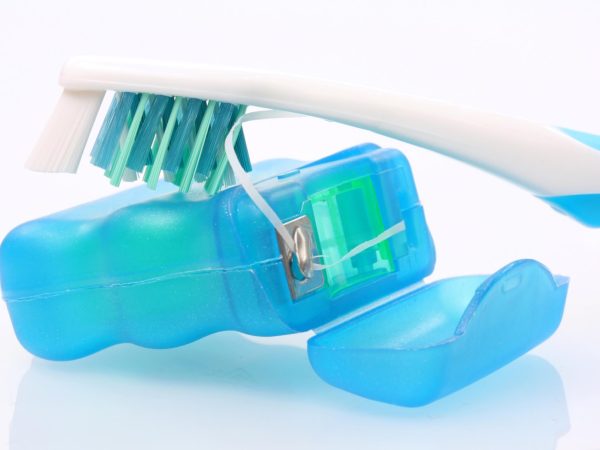
Tooth brush and dental floss

Mastering the Techniques of Proper Tooth brushing and Flossing

Maintaining optimal oral health involves more than just regular tooth brushing and flossing; it hinges significantly on the techniques utilized. Many people unknowingly stick to the myths and misguidances about brushing and flossing, resulting in ineffective oral care routines.

This article aims to debunk these misconceptions, introducing you to the proper techniques of brushing and flossing teeth, thereby empowering you to improve your oral health and overall well-being.

What Are the Myths and Misguidances About Brushing and Flossing?

Myth 1: Harder Brushing Equals Cleaner Teeth

Some people are under the misconception that harder brushing results in cleaner teeth. This is not true, according to the American Dental Association (ADA) and most dental teams. Using a toothbrush with hard bristles or applying excessive pressure while brushing can harm your tooth enamel, leading to tooth decay. Instead, use a soft-bristled brush and gentle motions. Overzealous brushing can also lead to gum recession, which can cause sensitive teeth.

Myth 2: Electric Brushes Are Superior to Manual Toothbrushes

Another common misguidance is that electric toothbrushes clean better than manual toothbrushes. While electric brushes can be more efficient at plaque removal and often come with pressure sensors to prevent over-brushing, the effectiveness of toothbrushing primarily depends on the proper brushing technique rather than the type of brush.

Myth 3: Always Brush in a Circular Motion

There is a pervasive myth that the only right way to brush is in circular motions. While this technique can be effective, it’s not the only adequate brushing method. The ADA recommends brushing your teeth at a 45-degree angle against the gum line, moving the brush back and forth in short strokes, and using a circular technique to clean the inner, outer surfaces, and chewing surfaces of each tooth.

Myth 4: More Toothpaste Equals Better Cleaning

TV commercials often depict a toothbrush covered from end to end with a blob of toothpaste. However, the ADA advises that a pea-sized amount of fluoride toothpaste is sufficient. Using too much toothpaste, especially fluoridated toothpaste, can lead to dental fluorosis in children under the age of six.

Myth 5: Brush Immediately After Every Meal

Some believe that brushing immediately after every meal is good for oral health. In fact, brushing right after consuming acidic foods can cause tooth enamel erosion. Dentists recommend waiting at least 30 minutes after a meal before brushing to allow for saliva to neutralize food acids.

Myth 6: Flossing Creates Spaces Between Your Teeth

The myth that flossing creates spaces between your teeth is hugely misleading. Flossing ensures the removal of food debris and dental plaque from areas that your toothbrush cannot reach. Good oral health is a benefit of flossing teeth since it helps prevent gum disease and dental caries and maintains a healthy mouth.

brushing and flossing

What’s the Right Way to Brush Your Teeth?

1. Choose the Right Tools

  • Toothbrush. Opt for a soft-bristled toothbrush with a comfortable handle. Soft bristles are effective at cleaning teeth without causing damage to enamel or gums.
  • Fluoridated Toothpaste. Use a pea-sized amount of fluoride toothpaste. Fluoride strengthens tooth enamel and helps prevent tooth decay.

2. Use the Correct Technique

  • Position Your Toothbrush. Hold your toothbrush at a 45-degree angle to your gums. This angle allows the bristles to reach the gum line and clean effectively.
  • Gentle Circular Motions. Avoid aggressive scrubbing. Use gentle, circular motions to clean your teeth. Focus on the fronts, backs, and chewing surfaces of your teeth.
  • Don’t Forget Your Tongue. Brush your tongue and the roof of your mouth. This can help keep your breath fresh and eliminate bacteria that may lead to dental issues.
  • Time It Right. Brush for at least two minutes, spending about 30 seconds in each quadrant of your mouth. Many electric toothbrushes have built-in timers to help you with this.
  • Be Thorough. Pay attention to every tooth, ensuring that no area is left unclean. Cleaning the inner surfaces of your teeth is just as important as the outer surfaces.
  • Replace Your Toothbrush. Change your toothbrush every three to four months or sooner if the bristles are frayed. Worn-out bristles are less effective at cleaning.

3. Additional Tooth Brushing Tips

  • Use a Soft Touch. Brushing too hard can damage your teeth and gums. Let the bristles do the work.
  • Rinse After Brushing. After brushing, rinse your mouth with water or an antimicrobial mouthwash to remove any loosened particles.
  • Timing Matters. Try to wait for about 30 minutes after eating before brushing. Acidic foods and beverages can soften enamel temporarily, and immediate brushing may cause damage.
  • Floss Daily. Toothbrushing alone cannot reach between teeth, so make flossing your teeth part of your daily routine to clean these areas.
  • Regular Dental Check-Ups. Don’t forget to schedule regular check-ups with your dentist. They can provide professional cleanings and address any dental concerns.

Step-By-Step Guide to Effective Flossing

Step 1: Gathering The Required Supplies

You’ll need dental floss, which comes in waxed, unwaxed, dental tape, or floss pick formats, and a mirror for better visibility, especially if you’re new to flossing.

Step 2: Preparing the Dental Floss

For preparation, you’ll need to unwind approximately 18 inches (45 cm) of dental floss. Make sure not to reuse the same portion to prevent reapplying any debris.

Step 3: Assuming the Correct Position

Hold the floss between your thumb and index fingers, leaving 1-2 inches for the actual task. Your middle fingers can act as guides for the floss.

Step 3: Inserting the Dental Floss

Carefully guide the floss between your teeth using a back-and-forth sawing motion, avoiding any snapping or force that could harm your gums. Instead, use a gentle wiggling motion to get it between your teeth.

Step 4: Forming a “C” Shape

Once the floss is inserted, shape it into a “C” against your tooth, aiming to reach just beneath the gumline.

Step 5: Cleaning With Floss

With your floss now in position, gently glide it up and down the side of your tooth, making sure it goes beneath the gumline. Though thoroughness is important, be careful not to cause any irritation.

Step 6: Repeating the Process for Each Tooth

For each tooth, use a new part of the floss. Follow the same “C” shape and glide motion along the gumline as you progress from tooth to tooth.

Step 7: Not Overlooking the Back Teeth

Extra attention is required for back teeth, and those that are closely spaced as your toothbrush may often overlook these.

Step 8: Rinsing and Disposal

Post-flossing, rinse your mouth with water or mouthwash to get rid of any loosened debris. Dispose of the used floss appropriately in a trash bin, not down your toilet.

Step 9: Ending With Mouthwash or Antiseptic Rinse

As the final act in your oral care routine, you may want to use mouthwash or an antiseptic rinse. This will kill bacteria and leave your mouth feeling fresh and clean.

Step 10: Finish With Mouthwash or Antiseptic Rinse

Consider using mouthwash or an antiseptic rinse to kill bacteria and leave your mouth feeling fresh as the final step in your oral care routine.

Transform Your Smile Today With Dedicated Dental Studios

Proper toothbrushing and flossing techniques are essential, but so is consistency. Brush your teeth at least twice a day, and ideally after meals. It’s also important to remind yourself of the benefits of flossing, such as removing trapped food particles and plaque from between your teeth and along your gum line, thus preventing gum diseases and tooth decay. Therefore, floss once a day to clean areas your toothbrush can’t reach.

If you want a personalized regimen or wish to have a cleaner, more radiant smile, don’t hesitate to reach out to the dental professionals at Dedicated Dental Studios. We provide additional guidance and services, such as dental plaque removal, to ensure your dental hygiene is second to none.

beautiful smile after teeth whitening

How Long Does Teeth Whitening Last?

Having a bright, vibrant smile is something most of us strive for. It makes us look great and boosts our confidence. One of the most popular methods of achieving this is through teeth whitening.

But how long does teeth whitening last? This guide addresses this question and provides helpful information on teeth whitening treatments.

What Are the Types of Teeth Whitening Methods?

There are two main approaches to achieving white teeth: professional teeth whitening (in-office) done in a dental office and at-home teeth whitening using take-home whitening kits prescribed by your dentist and over-the-counter products.

1. Professional Teeth Whitening

This cosmetic dental procedure involves the application of a high concentration of carbamide peroxide or hydrogen peroxide combined with LED accelerator lights. It delivers concentrated treatment to both intrinsic stains—discoloration from within the tooth—and surface stains (extrinsic stains).

While professional teeth whitening can be more costly, it offers considerable advantages:

  • Immediate Results. With just one dental treatment, professional teeth whitening procedures can give you a noticeably brighter smile.
  • Treats Stubborn Discoloration. In-office whitening is typically more powerful and can treat stubborn tooth discoloration that over-the-counter products may struggle with.
  • Oral Health Check. When you go for a professional whitening treatment, the dentist checks your oral health, ensuring no issues could complicate the whitening process.
  • Safer Procedure. The professional teeth whitening process is done under the careful supervision of a qualified dentist, reducing the risk of mishandling that could lead to damage or pain.
  • Long-Lasting Results. In terms of duration, one might ask, “How long does in-office teeth whitening last?” Professional treatments tend to have significant longevity, often lasting anywhere from a few months to a few years. This duration can be prolonged with at-home touch-up kits provided by your dentist.

2. At-Home Teeth Whitening

Over-the-Counter Whitening Products

Over-the-counter whitening products provide a budget-friendly option for those looking for a brighter smile. They typically contain mild abrasives or low concentrations of whitening agents that lighten your teeth color over time.

The advantages of these are:

  • Flexibility. Counter-whitening products allow you to whiten your teeth at your own pace in the comfort of your home.
  • Cost-Effective. These products are more affordable compared to professional teeth whitening.
  • Wide Range. A wide range of products is available, including whitening toothpaste, strips, and trays.
  • Convenience. Many over-the-counter teeth whitening products are easy to use and can be included in your regular oral hygiene routine. You can apply these products and use them when they suit you best.
  • Availability. You don’t need a prescription to obtain these products. They can be easily found in most drugstores, supermarkets, or online.

Take-Home Teeth Whitening Kits

Dentists prescribe these custom-made kits and can produce more significant results than over-the-counter products. They include a custom-fit tray that holds the whitening gel in place, thus minimizing contact with gums. The trays need to be worn for about an hour daily or overnight, depending on the concentration of the whitening agent.

The benefits of take-home teeth whitening kits are:

  • Customized Treatment. Take-home kits are customized to fit your unique dental structure, ensuring an even and effective whitening process.
  • Stronger Whitening Agents. These kits contain stronger whitening agents than over-the-counter products, resulting in more dramatic results.
  • Minimal Sensitivity. The custom-fit trays used in these kits minimize gum contact with the whitening agent, reducing the risk of sensitivity.
  • Convenience of Use. You can use these kits at your convenience in the comfort of your home.
  • Longer Lasting Results. With proper maintenance and touch-up treatments, results from take-home teeth whitening kits can last for a year or more.

Is It Worth Getting Teeth Whitened At the Dentist?

Yes, it is worth getting whitening treatment at the dentist. These are the reasons why getting a professional teeth whitening is valuable:

Protection of Tooth Enamel

Unlike over-the-counter products, professional teeth whitening treatments aim to protect your tooth enamel by using the right concentration of whitening agents. Over-the-counter whitening products often cause harm to your tooth enamel by being too harsh.

A brighter Smile

A professional whitening treatment can remove intrinsic stains (deep stains) and surface stains, leading you to achieve that bright white smile you’ve always desired.

Oral Health Is Prioritized

Dental professionals can spot early signs of potential dental issues during the process. This allows you to take timely preventive measures to protect your oral health.

Long-Lasting Results

Professional teeth whitening usually gives you a whiter smile lasting six months to two years. Maintaining proper oral hygiene habits and avoiding foods and drinks that can cause discoloration for best results is essential.

Customized Treatment

Unlike over-the-counter whitening products, the whitening process at a dental office is custom-designed for your teeth. The dental professional will tailor the treatment to your tooth discoloration, ensuring more significant and visible results.

Comfort and Safety

Professional teeth whitening under the care of a dental professional makes the process comfortable and safe. They use gentle yet effective ingredients and can also offer remedies for those with sensitive teeth.

Side Effects of Teeth Whitening

  • Tooth Sensitivity. This is one of the most common side effects of teeth whitening. The peroxide in the whitening agent can penetrate the tooth enamel, causing discomfort or pain.
  • Gum Irritation. The bleaching solution used in teeth whitening can irritate and burn the gums if it comes into contact with them.
  • Ineffective Results. Not everyone will achieve the desired results from teeth whitening treatments. Factors such as the type of stain, the health of the teeth, and the type of whitening procedure can affect the outcome.
  • Damage to Tooth Enamel. Overuse of whitening products or using products that are too abrasive can lead to damage to the tooth enamel.
  • Soft Tissue Irritation. In extreme cases, the whitening solution can cause bleeding and pain in the gum tissue.
  • Allergic Reaction. Though rare, some people might have an allergic reaction to the substances used in teeth whitening products.

Note that most of these side effects are temporary and should subside once the treatment is completed. However, if you experience severe or lasting symptoms, it’s recommended to consult with your dentist.

How Long Does Professional Teeth Whitening Last?

How long does in-office teeth whitening lasts varies based on your diet, oral hygiene habits, and the initial condition of your teeth. On average, in-office tooth whitening can last anywhere between six months to two years with proper care.

The effect of counter-whitening products has a shorter duration and largely depends on the regularity and precision of use. They are best used for maintaining a bright smile following a professional whitening treatment.

How to Make Your Teeth Whitening Last?

  • Maintain a Good Oral Hygiene. Practicing good oral hygiene is vital. Brush and floss daily, use a mouthwash, and preferably brush your teeth after every meal to prevent oral health issues and keep your teeth clean.
  • Regular Dental Cleanings. Regular visits to your dental office for cleanings can keep your teeth stain-free and help your professional teeth whitening results last for a more extended period.
  • Proper Use of Teeth Whitening Products. If you use teeth whitening products at home, follow the instructions carefully. Overuse or improper use can lead to sensitivity and damage to the tooth enamel. In addition, use them only when needed, and don’t overdo it.
  • Avoid Teeth-Staining Foods and Drinks. Certain foods and drinks like coffee, tea, red wine, and berries can cause surface stains. Limit their intake or brush your teeth immediately after consuming them to maintain that bright smile.
  • Refrain From Smoking. Tobacco can cause intrinsic stains that are harder to remove. To maintain whiter teeth over time, refrain from smoking.
  • Limit the Use of Over-the-Counter Whitening Products. These products can be abrasive and damage your tooth enamel over time, causing sensitivity and making teeth prone to staining. Only use them as directed by dental professionals.
  • Consider a Touch-Up. Depending on your whitening process, a touch-up might be needed every six months to a year, especially if you smoke or drink coffee, tea, or wine.
  • Follow Post-Whitening Care Instructions. After professional teeth whitening, your dentist may provide specific instructions. Following these can extend how long in-office teeth whitening lasts.

Your Journey to Whiter Teeth Begins Here

Knowing how long teeth whitening lasts and maintaining your results are crucial to keeping your smile shining for longer. At Dedicated Dental Studios, we’re always ready to guide you through this journey, providing the right advice and professional expertise. Remember, a bright smile is not just about appearance but also about maintaining excellent oral hygiene.

Are you ready to take the next step towards a brighter, more confident smile?

Contact us at Dedicated Dental Studios, where we provide professional teeth whitening treatments tailored to your unique needs and lifestyle.

6 Vitamins For Healthy and Strong Teeth and Gums

Healthy teeth and gums are essential for a captivating smile, confident conversation, and a pleasant eating experience. But strong teeth and gums aren’t just about enhancing appearances; they also play a vital role in our overall health. While multiple factors can impact our oral health, diet plays a special part.

There’s a lot of conversation about vitamins for nails, hair, and skin, but have you considered what vitamins are good for oral health? Read on to learn more.

How Does the Food You Eat Impact Oral Health?

The food we consume directly influences our oral health, and certain nutrients, often referred to as vitamins for teeth or vitamins for oral health, can play a significant role in maintaining a healthy mouth. A balanced diet full of essential vitamins aids in maintaining healthy teeth and gums, and some might even call these the best vitamins for oral health. Certain food items provide these necessary vitamins for gums and teeth, helping to minimize the risk of gum disease and tooth decay. 

For example, fruits and vegetables rich in vitamin C, often touted as one of the best vitamins for gums and teeth, help prevent gum disease by promoting collagen production. This keeps the gums tight around the teeth, favoring good oral health.

On the other hand, food items high in sugar and carbohydrates can be detrimental to oral health. Sugar feeds harmful bacteria that produce acids that damage tooth enamel, leading to cavities and tooth decay. Foods like chips, crackers, and bread can also stick to teeth and break down into simple sugars, increasing the risk of tooth decay. So while the focus should be on consuming vitamins for healthy teeth, it’s also essential to minimize foods that can harm them.

What Are The Key Vitamins for Healthy Teeth and Gums?

Ensuring your diet includes the right vitamins for oral health is crucial in maintaining optimal dental health. Here are some of the best vitamins for healthy teeth and gums:

1. Vitamin D

Often referred to as the “sunshine vitamin,” Vitamin D is critical for oral health. Our bodies need it to absorb calcium and promote bone growth. Strong bones are essential for sturdy teeth. Vitamin D can be absorbed through sunlight, but it is also found in various foods:

  • Fish
  • Egg yolk
  • Fortified dairy products
  • Cod liver oil

Include these in your balanced diet to avoid the risk of tooth decay and tooth loss due to Vitamin D deficiency.

2. Vitamin K 

Often overlooked in the context of oral health, Vitamin K is among the vitamins good for oral health. It aids the production of proteins necessary for blood clotting and binds calcium in the bones, promoting the regeneration of bone tissue. This regenerative process supports the strength of our teeth by boosting bone health. 

Foods rich in Vitamin K include:

  • Cucumbers
  • Blueberries
  • Fermented foods
  • Dark green leafy vegetables

3. Vitamin C

One of the best vitamins for gums and teeth, Vitamin C assists in maintaining the collagen network in your gums, which holds your teeth in place. A deficiency in this vitamin can lead to periodontal issues like gum disease and a weakened immune system. Citrus fruits are an excellent source of Vitamin C:

  • Oranges
  • Kiwi
  • Strawberries
  • Leafy green vegetables 

4. Vitamin A 

This vitamin plays a crucial role in promoting the health of the mucous membranes in our mouth and forms a protective barrier against harmful bacteria. Vitamin A, among the best vitamins for oral health, can be obtained from:

  • Fish 
  • Egg yolks
  • Dairy products
  • Green vegetables

5. Vitamin E

Known for its antioxidant properties, vitamin E can help protect the mouth and gums from cellular damage and oxidative stress. It’s commonly found in foods like:

  • Nuts
  • Seeds
  • Spinach
  • Broccoli

6. Vitamin B

The family of B vitamins, including niacin (B3) and riboflavin (B2), play a critical role in maintaining oral health. They contribute to the healing process of tissues and help fight against mouth sores or oral inflammation. 

You can find these vitamins for oral health in foods like:

  • Lean meats
  • Liver
  • Milk
  • Sunflower seeds

Is IV Vitamin Therapy Beneficial for Oral Health?

For those wondering what vitamins are good for oral health, a balanced diet rich in vitamins and essential nutrients can help keep your mouth healthy. But what if your diet doesn’t provide you with enough of these crucial vitamins? This is where IV vitamin therapy could be beneficial. 

  • Vitamins for Teeth and Gums. The therapy can provide the best vitamins for gums and teeth, like vitamins D and C, which support oral health. 
  • Direct Absorption and Utilization. By bypassing the digestive system, IV Vitamin therapy ensures efficient absorption and utilization of these vital vitamins for oral health in your body.
  • Boosting Dental Health With Nutrients. The therapy can also efficiently administer essential nutrients like calcium, which is plentiful in dairy products, directly into the bloodstream. This nutrient can boost dental health by strengthening tooth enamel.
  • Preventing Gum Disease. IV vitamin therapy can effectively deliver some vitamins, like vitamin K, present in leafy greens, that have protective properties against inflammation and can help prevent gum disease.
  • Support for Bone Health. Vitamins D and K, crucial for maintaining strong teeth by enhancing bone health, can be efficiently provided through this therapy. Vitamin D sources include egg yolk.
  • Maintaining Connective Tissues and Mucous Membrane Health. Vitamins A and C, abundant in citrus fruits and green vegetables, play a significant role in boosting the health of the gums and other soft tissues in the mouth. This reduces the risk of developing gum disease. These essential vitamins for healthy teeth are delivered to the body efficiently via IV vitamin therapy.
  • Addressing Deficiencies. For someone experiencing deficiencies in essential vitamins such as D or C, IV vitamin therapy can effectively replenish these vitamins to maintain optimal oral health. Thus, this therapy undoubtedly has potential benefits in supplementing the best vitamins for gums and teeth.

Pave Your Way to Healthy Teeth Through Diet

The key to good oral health goes beyond just individual vitamins. Vitamins C, D, and K play a crucial role in maintaining healthy teeth and gums, yet they form just a part of a balanced diet that should also encompass proteins, fats, and complex carbohydrates. It’s important to note that while dietary supplements and vitamin infusions can provide support, they can’t substitute a balanced diet.

If you have any questions or concerns about how to maintain oral health, or if you’d like some advice, don’t hesitate to get in touch with us. Our trained professionals are ready to guide you on your journey to solid teeth and bright smiles. Book an oral health consultation with us today for a comprehensive assessment.

Woman drinking water to relieve dry mouth at night

Dry Mouth at Night: Causes and Solutions

If you’ve ever woken up in the middle of the night feeling as though your mouth is extremely dry, you’re not alone. Dry mouth at night, also known as xerostomia, affects a significant portion of the population and can cause discomfort and potential health issues.

In this post, we’ll explore what causes severe dry mouth at night and how to avoid it.

What Is Dry Mouth?

Dry mouth is a condition characterized by a decreased production of saliva. Saliva plays a crucial role in our oral health, aiding digestion, preventing tooth decay, and keeping our mouths comfortable. When there isn’t enough saliva, you may experience a parched feeling, difficulty swallowing, or a sticky sensation in your mouth.

Additionally, dry mouth increases the risk of tooth decay. It’s because saliva helps rinse away food particles, neutralizes harmful acids produced by bacteria in the mouth, and provides disease-fighting substances throughout your mouth to prevent cavities and other infections.

Symptoms of Dry Mouth

Experiencing dry mouth at night can lead to several symptoms, including:

  • Waking up with a dry mouth
  • Persistent bad breath
  • Difficulty swallowing or speaking
  • Sore throat
  • A sticky or dry feeling in the mouth
  • Frequent thirst, especially at night
  • Cracked lips or sores in the mouth

What Causes Extremely Dry Mouth While Sleeping?

There are several reasons you might be waking up with a dry mouth. Some common causes include:

  • Medications. Many prescription and over-the-counter medications can cause dry mouth, including drugs used for depression, high blood pressure, anxiety, pain, allergies, colds (antihistamines and decongestants), obesity, spinal injuries (muscle relaxants), acne, epilepsy, hypertension (diuretics), diarrhea, obstructive sleep apnea (OSA), nausea, psychotic disorders, urinary incontinence, asthma, and Parkinson’s disease.
  • Age. A dry mouth is not a normal part of aging. However, older people are often on medications that can cause dry mouth.
  • Cancer treatment. Chemotherapy drugs can change the nature of saliva and the amount produced. This may be temporary, with normal salivary flow returning after treatment is finished. In addition, radiation therapy, especially when directed to the head or neck, can cause a dry mouth. The radiation can damage the salivary glands, leading to a decrease in saliva production. This side effect can begin during treatment and may be long-lasting, even after the completion of radiation therapy. It’s estimated that 90-100% of head and neck cancer patients treated with radiation experience dry mouth.
  • Nerve damage. Damage to the head or neck area from an injury or surgery can result in a dry mouth.
  • Health conditions. Certain medical conditions, such as diabetes, stroke, yeast infection in your mouth (thrush), Alzheimer’s disease, or autoimmune diseases, like Sjogren’s syndrome or HIV/AIDS, can lead to dry mouth.
  • Lifestyle factors. Smoking or chewing tobacco, alcohol, and recreational drugs (like methamphetamine) can affect saliva production and aggravate dry mouth. Continuously breathing with your mouth open can also contribute to the problem.

Interestingly, many people wonder, “Is dry mouth a sign of pregnancy?” According to the American Pregnancy Association, this can be possible due to hormonal changes that affect the salivary glands.

Similarly, some may ask, “Can dry mouth be caused by anxiety?”

A dry mouth can be caused by anxiety. This is because anxiety and stress can affect the function of your salivary glands, which produce saliva to keep your mouth moist. When you’re anxious or stressed, your body’s fight-or-flight response can kick in and decrease saliva production, leading to a dry mouth. It’s important to note that if dry mouth persists, seeking medical advice is recommended as it could be a sign of other health conditions.

Management and Treatment for Dry Mouth

Treatment for dry mouth depends on what’s causing it. Generally, treatment focuses on managing underlying conditions causing the dry mouth, increasing saliva flow, and preventing tooth decay.

A dentist or medical doctor might recommend:

1. Managing Underlying Conditions

If a medical condition is causing dry mouth, a medical treatment may help. This can involve adjusting treatment plans or taking additional medications.

For example, if you’re taking a type of medication known as anticholinergics, which are often used for conditions like chronic obstructive pulmonary disease (COPD) or bladder control issues, this could be causing your dry mouth. Anticholinergics work by blocking certain nerve impulses, which can lead to reduced saliva production.

In such a case, your doctor may consider switching you to a different medication that doesn’t affect saliva production as much, or they might lower your dosage. It’s important to note that any changes to your medication should always be done under the supervision of a healthcare professional. Never attempt to alter your medication regimen without consulting your doctor first.

Moreover, if the medication causing dry mouth is necessary for treating a serious condition, your doctor might suggest other ways to alleviate the dry mouth symptoms rather than changing your medication. This could involve using specific oral health products, drinking plenty of water, or possibly prescribing a medication specifically designed to stimulate saliva production.

2. Artificial Saliva Substitutes and Stimulants

There are over-the-counter products designed to substitute or stimulate saliva production. These can come in sprays, lozenges, gels, or rinses.

3. Prescription Treatments

Certain medications, such as pilocarpine (Salagen) or cevimeline (Evoxac), can increase saliva production.

4. Good Oral Care Practices

Regular brushing, flossing, and fluoride mouthwash can help maintain oral health and prevent conditions like tooth decay and gum disease, which can worsen dry mouth.

How to Prevent Dry Mouth While Sleeping?

Preventing dry mouth at night can often be managed with simple lifestyle changes to keep your mouth healthy:

  • Drink plenty of water throughout the day, and consider keeping a glass of water next to your bed at night.
  • Chew sugarless gum or suck on sugar-free candies to stimulate saliva flow.
  • Avoid mouthwashes that contain alcohol, which can dry out your mouth further.
  • Stop all tobacco use if you smoke or chew tobacco.
  • Limit caffeine and alcohol intake as they can make a dry mouth worse.
  • Use a humidifier in your bedroom at night to help keep your mouth moist.
  • Avoid salty foods that can exacerbate dry mouth symptoms as they tend to pull moisture out of the body, including the mouth.

Final Thoughts

Severe nighttime dry mouth is a condition that can be caused by various factors, such as certain medications, lifestyle choices, and health conditions. The discomfort it brings can disrupt sleep and, if left untreated, can lead to more serious oral health issues. Fortunately, there are several ways to manage and prevent this condition. Lifestyle modifications like reducing alcohol and tobacco use, staying hydrated, and using a humidifier can help. Over-the-counter remedies and specific medical treatments are also available.

If you’re experiencing persistent dry mouth, especially at night, contact us to book a consultation. We can provide a proper diagnosis and guide you towards the most appropriate treatment options.