
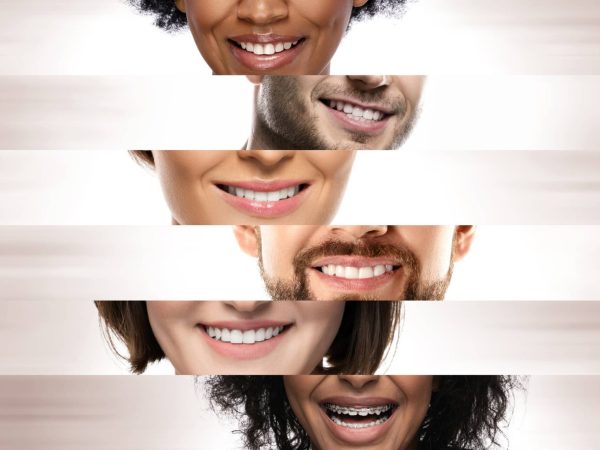
Cosmetic dentistry vs general dentistry

Cosmetic Dentistry Vs General Dentistry: Which One You Need?

Are you struggling with severe tooth decay requiring a procedure such as a root canal treatment? Or are you simply looking to enhance your smile with a cosmetic procedure like porcelain veneers?

Deciding between general and cosmetic dentistry can often take a lot of work. While both fields promise to enhance your oral health, they offer different services and cater to distinct patient needs.

Understanding the difference between cosmetic dentistry vs general dentistry and deciding which is right for you can be the key to getting the most out of your dental care.

What Is General Dentistry?

Also known as family dentistry, general dentistry is focused on maintaining oral hygiene and dental health. A general dentist offers a wide range of services for patients of all ages, from kids to adults.

It includes services like:

  • Regular cleanings
  • Dental examinations
  • Fillings
  • Root canals
  • Tooth extractions
  • Dentures
  • Crowns
  • Bridges
  • Treatment for gum disease
  • Oral cancer screenings

These restorative treatments aid in maintaining oral function and treating common dental conditions.

What Is Cosmetic Dentistry?

Cosmetic dentistry aims to improve the appearance of teeth. So, what is considered cosmetic dentistry? This treatment may include:

  • Teeth whitening
  • Dental veneers
  • Dental bonding
  • Dental implants
  • Orthodontic treatment
  • Gum contouring
  • Dental crowns
  • Enamel shaping

Other types of services include tooth-colored fillings and composite resin shells. These procedures can address decayed teeth, misaligned teeth, discolored teeth, stained teeth, and more.

Are Dentures Considered Cosmetic?

Dentures, while often considered a restorative treatment, can also fall under the category of cosmetic dentistry. This is especially true when viewed from an aesthetic aspect. Dentures not only restore the function of missing or decayed teeth, but they also enhance the appearance of the patient’s smile.

Cosmetic Dentist Vs. General Dentist: What Are Their Differences?

1. Extent of Specialization

A cosmetic dentist and a regular dentist provide distinct areas of specialization. A regular dentist or a dental professional mainly focuses on dental care involving oral health and hygiene, provides treatments for tooth decay or oral health issues, conducts preventive care through regular cleanings and dental exams and manages basic dental conditions like cavity fillings, tooth extractions etc.

However, a cosmetic dentist provides services aimed at enhancing the visual attractiveness of the patient’s teeth and mouth and achieving a pleasing smile. This includes procedures like teeth whitening, dental veneers, dental bonding for misshapen or misaligned teeth, dental crowns for broken or damaged teeth, and other aesthetic enhancements.

2. Dental Training and Education

Though both general and cosmetic dentists require a dental degree and dental school training, cosmetic dentists often undergo additional training or specialized training to become proficient in cosmetic treatments. General dentistry education mainly focuses on mastering the diagnosis, oral health concerns, regular check-ups, treatment of common dental afflictions, and preventative dental care.

3. Costs of Dental Services

Due to their unique skills and the complexity of the procedures, cosmetic dentists usually charge more for their services than regular dentists. Cosmetic dentistry includes procedures that require specialized training, the use of advanced materials like porcelain or composite resin, and sometimes advanced technology. The treatments provided by a regular dentist, on the other hand, are more routine and wider in range, hence usually more affordable.

4. Dental Health and Aesthetic Goals

The goals of cosmetic dentistry and general dentistry are diverse. General dentistry aims to ensure oral health, manage oral function efficiently, and the prevention and treatment of dental health issues. Cosmetic dentistry, however, aims to enhance the aesthetic aspect and appearance of teeth and smiles using an aesthetic approach along with dental health improvements.

5. Utilization of Technology and Dental Materials

The advancement in technology and materials used by dental professionals differs significantly. Regular dentists utilize tools and technology to emphasize oral hygiene habits and conduct dental cleanings and dental health procedures.

Cosmetic dentistry, on the other hand, demands higher-end technology like laser dentistry and 3D imaging and the use of high-quality materials such as porcelain or composite resin for dental veneers, tooth-colored fillings, or dental crowns for an appealing solution for dental aesthetics.

Cosmetic Dentist Vs. Orthodontist: When Do I Need Them?

Purpose of Treatment

A cosmetic dentist concentrates on enhancing the appearance of your teeth, gums, and bite. Conversely, orthodontists focus on the alignment and occlusion of teeth and jaws. They utilize procedures such as braces and aligner trays to correct issues like misaligned teeth or malocclusion, which is a misalignment of the upper and lower teeth when the jaws are closed.

However, the field of orthodontics has expanded, and some orthodontists also offer aesthetic improvements. Known as cosmetic orthodontics, they merge the functionality of orthodontics with the aesthetics of cosmetic dentistry.

Nature of Dental Issues

Dental health issues vary from misalignment of teeth and tooth decay to discolored teeth. Depending on the nature of these issues, either a cosmetic dentist or an orthodontist might be better suited to address them. For instance, a cosmetic dentist is trained to treat cases of decayed teeth with tooth-colored fillings or correct the alignment of teeth using composite resin shells.

Conversely, if your concern involves aligner braces for severe tooth misalignment, you should consult an orthodontist.

The Desired Outcome

Your desired outcome will significantly influence which dental professional you should choose. If you wish to have a dazzling smile with perfectly aligned and beautiful teeth, a cosmetic dentist with advanced training in dental aesthetics can deliver this by offering various cosmetic dentistry treatments.

However, if oral function, such as correct bite function, is your priority, an orthodontist might be the better choice.

Treatment Procedures

Specific procedures, such as porcelain veneers, are commonly performed by cosmetic dentists. So, if you’re wondering, “Who does veneer, a dentist or an orthodontist?”—you should reach out to a qualified cosmetic dentist. On the other hand, orthodontic treatment, such as aligner braces, falls within the scope of an orthodontist.

Your Oral Health

Your overall oral health plays a crucial role in determining which dental professional you should see. If your oral health concerns involve routine cleanings, preventing tooth decay, oral cancer screenings, or addressing other oral health issues, a regular dentist would be appropriate.

But if your circumstances involve misshapen teeth or discolored teeth, or you want a more pleasing smile, a cosmetic dentist might be more suitable. For alignment issues, crooked teeth, or bite concerns, you might need orthodontic treatment from an orthodontist.

Choose Dental Care that Suits Your Needs at Dedicated Dental Studios

At Dedicated Dental Studios, we’re all about providing the tailored dental care you need—be it cosmetic dentistry vs. general dentistry. Whether you’re looking to maintain healthy teeth through routine cleanings or want to achieve that confident smile with our cosmetic procedures, our highly skilled dental professionals are here for you. We blend advanced technology, expert care, and a comfortable environment to deliver results that surpass your expectations.

Let’s bring that beautiful smile to life together. Schedule your appointment today with Dedicated Dental Studios.
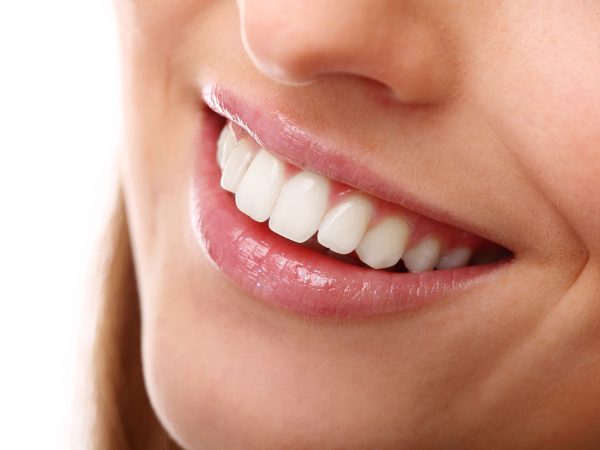
beautiful smile after teeth whitening

How Long Does Teeth Whitening Last?

Having a bright, vibrant smile is something most of us strive for. It makes us look great and boosts our confidence. One of the most popular methods of achieving this is through teeth whitening.

But how long does teeth whitening last? This guide addresses this question and provides helpful information on teeth whitening treatments.

What Are the Types of Teeth Whitening Methods?

There are two main approaches to achieving white teeth: professional teeth whitening (in-office) done in a dental office and at-home teeth whitening using take-home whitening kits prescribed by your dentist and over-the-counter products.

1. Professional Teeth Whitening

This cosmetic dental procedure involves the application of a high concentration of carbamide peroxide or hydrogen peroxide combined with LED accelerator lights. It delivers concentrated treatment to both intrinsic stains—discoloration from within the tooth—and surface stains (extrinsic stains).

While professional teeth whitening can be more costly, it offers considerable advantages:

  • Immediate Results. With just one dental treatment, professional teeth whitening procedures can give you a noticeably brighter smile.
  • Treats Stubborn Discoloration. In-office whitening is typically more powerful and can treat stubborn tooth discoloration that over-the-counter products may struggle with.
  • Oral Health Check. When you go for a professional whitening treatment, the dentist checks your oral health, ensuring no issues could complicate the whitening process.
  • Safer Procedure. The professional teeth whitening process is done under the careful supervision of a qualified dentist, reducing the risk of mishandling that could lead to damage or pain.
  • Long-Lasting Results. In terms of duration, one might ask, “How long does in-office teeth whitening last?” Professional treatments tend to have significant longevity, often lasting anywhere from a few months to a few years. This duration can be prolonged with at-home touch-up kits provided by your dentist.

2. At-Home Teeth Whitening

Over-the-Counter Whitening Products

Over-the-counter whitening products provide a budget-friendly option for those looking for a brighter smile. They typically contain mild abrasives or low concentrations of whitening agents that lighten your teeth color over time.

The advantages of these are:

  • Flexibility. Counter-whitening products allow you to whiten your teeth at your own pace in the comfort of your home.
  • Cost-Effective. These products are more affordable compared to professional teeth whitening.
  • Wide Range. A wide range of products is available, including whitening toothpaste, strips, and trays.
  • Convenience. Many over-the-counter teeth whitening products are easy to use and can be included in your regular oral hygiene routine. You can apply these products and use them when they suit you best.
  • Availability. You don’t need a prescription to obtain these products. They can be easily found in most drugstores, supermarkets, or online.

Take-Home Teeth Whitening Kits

Dentists prescribe these custom-made kits and can produce more significant results than over-the-counter products. They include a custom-fit tray that holds the whitening gel in place, thus minimizing contact with gums. The trays need to be worn for about an hour daily or overnight, depending on the concentration of the whitening agent.

The benefits of take-home teeth whitening kits are:

  • Customized Treatment. Take-home kits are customized to fit your unique dental structure, ensuring an even and effective whitening process.
  • Stronger Whitening Agents. These kits contain stronger whitening agents than over-the-counter products, resulting in more dramatic results.
  • Minimal Sensitivity. The custom-fit trays used in these kits minimize gum contact with the whitening agent, reducing the risk of sensitivity.
  • Convenience of Use. You can use these kits at your convenience in the comfort of your home.
  • Longer Lasting Results. With proper maintenance and touch-up treatments, results from take-home teeth whitening kits can last for a year or more.

Is It Worth Getting Teeth Whitened At the Dentist?

Yes, it is worth getting whitening treatment at the dentist. These are the reasons why getting a professional teeth whitening is valuable:

Protection of Tooth Enamel

Unlike over-the-counter products, professional teeth whitening treatments aim to protect your tooth enamel by using the right concentration of whitening agents. Over-the-counter whitening products often cause harm to your tooth enamel by being too harsh.

A brighter Smile

A professional whitening treatment can remove intrinsic stains (deep stains) and surface stains, leading you to achieve that bright white smile you’ve always desired.

Oral Health Is Prioritized

Dental professionals can spot early signs of potential dental issues during the process. This allows you to take timely preventive measures to protect your oral health.

Long-Lasting Results

Professional teeth whitening usually gives you a whiter smile lasting six months to two years. Maintaining proper oral hygiene habits and avoiding foods and drinks that can cause discoloration for best results is essential.

Customized Treatment

Unlike over-the-counter whitening products, the whitening process at a dental office is custom-designed for your teeth. The dental professional will tailor the treatment to your tooth discoloration, ensuring more significant and visible results.

Comfort and Safety

Professional teeth whitening under the care of a dental professional makes the process comfortable and safe. They use gentle yet effective ingredients and can also offer remedies for those with sensitive teeth.

Side Effects of Teeth Whitening

  • Tooth Sensitivity. This is one of the most common side effects of teeth whitening. The peroxide in the whitening agent can penetrate the tooth enamel, causing discomfort or pain.
  • Gum Irritation. The bleaching solution used in teeth whitening can irritate and burn the gums if it comes into contact with them.
  • Ineffective Results. Not everyone will achieve the desired results from teeth whitening treatments. Factors such as the type of stain, the health of the teeth, and the type of whitening procedure can affect the outcome.
  • Damage to Tooth Enamel. Overuse of whitening products or using products that are too abrasive can lead to damage to the tooth enamel.
  • Soft Tissue Irritation. In extreme cases, the whitening solution can cause bleeding and pain in the gum tissue.
  • Allergic Reaction. Though rare, some people might have an allergic reaction to the substances used in teeth whitening products.

Note that most of these side effects are temporary and should subside once the treatment is completed. However, if you experience severe or lasting symptoms, it’s recommended to consult with your dentist.

How Long Does Professional Teeth Whitening Last?

How long does in-office teeth whitening lasts varies based on your diet, oral hygiene habits, and the initial condition of your teeth. On average, in-office tooth whitening can last anywhere between six months to two years with proper care.

The effect of counter-whitening products has a shorter duration and largely depends on the regularity and precision of use. They are best used for maintaining a bright smile following a professional whitening treatment.

How to Make Your Teeth Whitening Last?

  • Maintain a Good Oral Hygiene. Practicing good oral hygiene is vital. Brush and floss daily, use a mouthwash, and preferably brush your teeth after every meal to prevent oral health issues and keep your teeth clean.
  • Regular Dental Cleanings. Regular visits to your dental office for cleanings can keep your teeth stain-free and help your professional teeth whitening results last for a more extended period.
  • Proper Use of Teeth Whitening Products. If you use teeth whitening products at home, follow the instructions carefully. Overuse or improper use can lead to sensitivity and damage to the tooth enamel. In addition, use them only when needed, and don’t overdo it.
  • Avoid Teeth-Staining Foods and Drinks. Certain foods and drinks like coffee, tea, red wine, and berries can cause surface stains. Limit their intake or brush your teeth immediately after consuming them to maintain that bright smile.
  • Refrain From Smoking. Tobacco can cause intrinsic stains that are harder to remove. To maintain whiter teeth over time, refrain from smoking.
  • Limit the Use of Over-the-Counter Whitening Products. These products can be abrasive and damage your tooth enamel over time, causing sensitivity and making teeth prone to staining. Only use them as directed by dental professionals.
  • Consider a Touch-Up. Depending on your whitening process, a touch-up might be needed every six months to a year, especially if you smoke or drink coffee, tea, or wine.
  • Follow Post-Whitening Care Instructions. After professional teeth whitening, your dentist may provide specific instructions. Following these can extend how long in-office teeth whitening lasts.

Your Journey to Whiter Teeth Begins Here

Knowing how long teeth whitening lasts and maintaining your results are crucial to keeping your smile shining for longer. At Dedicated Dental Studios, we’re always ready to guide you through this journey, providing the right advice and professional expertise. Remember, a bright smile is not just about appearance but also about maintaining excellent oral hygiene.

Are you ready to take the next step towards a brighter, more confident smile?

Contact us at Dedicated Dental Studios, where we provide professional teeth whitening treatments tailored to your unique needs and lifestyle.