
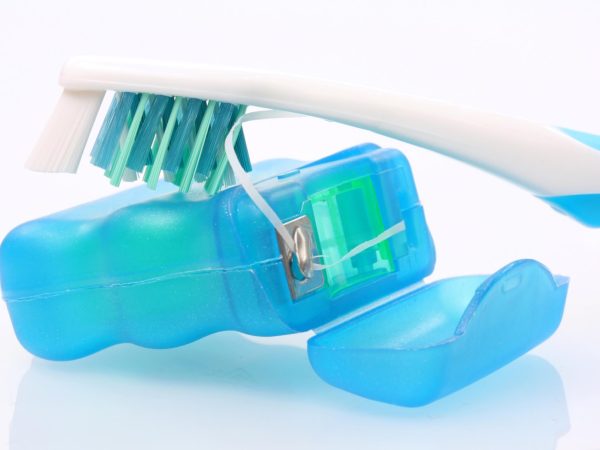
Tooth brush and dental floss

Mastering the Techniques of Proper Tooth brushing and Flossing

Maintaining optimal oral health involves more than just regular tooth brushing and flossing; it hinges significantly on the techniques utilized. Many people unknowingly stick to the myths and misguidances about brushing and flossing, resulting in ineffective oral care routines.

This article aims to debunk these misconceptions, introducing you to the proper techniques of brushing and flossing teeth, thereby empowering you to improve your oral health and overall well-being.

What Are the Myths and Misguidances About Brushing and Flossing?

Myth 1: Harder Brushing Equals Cleaner Teeth

Some people are under the misconception that harder brushing results in cleaner teeth. This is not true, according to the American Dental Association (ADA) and most dental teams. Using a toothbrush with hard bristles or applying excessive pressure while brushing can harm your tooth enamel, leading to tooth decay. Instead, use a soft-bristled brush and gentle motions. Overzealous brushing can also lead to gum recession, which can cause sensitive teeth.

Myth 2: Electric Brushes Are Superior to Manual Toothbrushes

Another common misguidance is that electric toothbrushes clean better than manual toothbrushes. While electric brushes can be more efficient at plaque removal and often come with pressure sensors to prevent over-brushing, the effectiveness of toothbrushing primarily depends on the proper brushing technique rather than the type of brush.

Myth 3: Always Brush in a Circular Motion

There is a pervasive myth that the only right way to brush is in circular motions. While this technique can be effective, it’s not the only adequate brushing method. The ADA recommends brushing your teeth at a 45-degree angle against the gum line, moving the brush back and forth in short strokes, and using a circular technique to clean the inner, outer surfaces, and chewing surfaces of each tooth.

Myth 4: More Toothpaste Equals Better Cleaning

TV commercials often depict a toothbrush covered from end to end with a blob of toothpaste. However, the ADA advises that a pea-sized amount of fluoride toothpaste is sufficient. Using too much toothpaste, especially fluoridated toothpaste, can lead to dental fluorosis in children under the age of six.

Myth 5: Brush Immediately After Every Meal

Some believe that brushing immediately after every meal is good for oral health. In fact, brushing right after consuming acidic foods can cause tooth enamel erosion. Dentists recommend waiting at least 30 minutes after a meal before brushing to allow for saliva to neutralize food acids.

Myth 6: Flossing Creates Spaces Between Your Teeth

The myth that flossing creates spaces between your teeth is hugely misleading. Flossing ensures the removal of food debris and dental plaque from areas that your toothbrush cannot reach. Good oral health is a benefit of flossing teeth since it helps prevent gum disease and dental caries and maintains a healthy mouth.

brushing and flossing

What’s the Right Way to Brush Your Teeth?

1. Choose the Right Tools

  • Toothbrush. Opt for a soft-bristled toothbrush with a comfortable handle. Soft bristles are effective at cleaning teeth without causing damage to enamel or gums.
  • Fluoridated Toothpaste. Use a pea-sized amount of fluoride toothpaste. Fluoride strengthens tooth enamel and helps prevent tooth decay.

2. Use the Correct Technique

  • Position Your Toothbrush. Hold your toothbrush at a 45-degree angle to your gums. This angle allows the bristles to reach the gum line and clean effectively.
  • Gentle Circular Motions. Avoid aggressive scrubbing. Use gentle, circular motions to clean your teeth. Focus on the fronts, backs, and chewing surfaces of your teeth.
  • Don’t Forget Your Tongue. Brush your tongue and the roof of your mouth. This can help keep your breath fresh and eliminate bacteria that may lead to dental issues.
  • Time It Right. Brush for at least two minutes, spending about 30 seconds in each quadrant of your mouth. Many electric toothbrushes have built-in timers to help you with this.
  • Be Thorough. Pay attention to every tooth, ensuring that no area is left unclean. Cleaning the inner surfaces of your teeth is just as important as the outer surfaces.
  • Replace Your Toothbrush. Change your toothbrush every three to four months or sooner if the bristles are frayed. Worn-out bristles are less effective at cleaning.

3. Additional Tooth Brushing Tips

  • Use a Soft Touch. Brushing too hard can damage your teeth and gums. Let the bristles do the work.
  • Rinse After Brushing. After brushing, rinse your mouth with water or an antimicrobial mouthwash to remove any loosened particles.
  • Timing Matters. Try to wait for about 30 minutes after eating before brushing. Acidic foods and beverages can soften enamel temporarily, and immediate brushing may cause damage.
  • Floss Daily. Toothbrushing alone cannot reach between teeth, so make flossing your teeth part of your daily routine to clean these areas.
  • Regular Dental Check-Ups. Don’t forget to schedule regular check-ups with your dentist. They can provide professional cleanings and address any dental concerns.

Step-By-Step Guide to Effective Flossing

Step 1: Gathering The Required Supplies

You’ll need dental floss, which comes in waxed, unwaxed, dental tape, or floss pick formats, and a mirror for better visibility, especially if you’re new to flossing.

Step 2: Preparing the Dental Floss

For preparation, you’ll need to unwind approximately 18 inches (45 cm) of dental floss. Make sure not to reuse the same portion to prevent reapplying any debris.

Step 3: Assuming the Correct Position

Hold the floss between your thumb and index fingers, leaving 1-2 inches for the actual task. Your middle fingers can act as guides for the floss.

Step 3: Inserting the Dental Floss

Carefully guide the floss between your teeth using a back-and-forth sawing motion, avoiding any snapping or force that could harm your gums. Instead, use a gentle wiggling motion to get it between your teeth.

Step 4: Forming a “C” Shape

Once the floss is inserted, shape it into a “C” against your tooth, aiming to reach just beneath the gumline.

Step 5: Cleaning With Floss

With your floss now in position, gently glide it up and down the side of your tooth, making sure it goes beneath the gumline. Though thoroughness is important, be careful not to cause any irritation.

Step 6: Repeating the Process for Each Tooth

For each tooth, use a new part of the floss. Follow the same “C” shape and glide motion along the gumline as you progress from tooth to tooth.

Step 7: Not Overlooking the Back Teeth

Extra attention is required for back teeth, and those that are closely spaced as your toothbrush may often overlook these.

Step 8: Rinsing and Disposal

Post-flossing, rinse your mouth with water or mouthwash to get rid of any loosened debris. Dispose of the used floss appropriately in a trash bin, not down your toilet.

Step 9: Ending With Mouthwash or Antiseptic Rinse

As the final act in your oral care routine, you may want to use mouthwash or an antiseptic rinse. This will kill bacteria and leave your mouth feeling fresh and clean.

Step 10: Finish With Mouthwash or Antiseptic Rinse

Consider using mouthwash or an antiseptic rinse to kill bacteria and leave your mouth feeling fresh as the final step in your oral care routine.

Transform Your Smile Today With Dedicated Dental Studios

Proper toothbrushing and flossing techniques are essential, but so is consistency. Brush your teeth at least twice a day, and ideally after meals. It’s also important to remind yourself of the benefits of flossing, such as removing trapped food particles and plaque from between your teeth and along your gum line, thus preventing gum diseases and tooth decay. Therefore, floss once a day to clean areas your toothbrush can’t reach.

If you want a personalized regimen or wish to have a cleaner, more radiant smile, don’t hesitate to reach out to the dental professionals at Dedicated Dental Studios. We provide additional guidance and services, such as dental plaque removal, to ensure your dental hygiene is second to none.

6 Vitamins For Healthy and Strong Teeth and Gums

Healthy teeth and gums are essential for a captivating smile, confident conversation, and a pleasant eating experience. But strong teeth and gums aren’t just about enhancing appearances; they also play a vital role in our overall health. While multiple factors can impact our oral health, diet plays a special part.

There’s a lot of conversation about vitamins for nails, hair, and skin, but have you considered what vitamins are good for oral health? Read on to learn more.

How Does the Food You Eat Impact Oral Health?

The food we consume directly influences our oral health, and certain nutrients, often referred to as vitamins for teeth or vitamins for oral health, can play a significant role in maintaining a healthy mouth. A balanced diet full of essential vitamins aids in maintaining healthy teeth and gums, and some might even call these the best vitamins for oral health. Certain food items provide these necessary vitamins for gums and teeth, helping to minimize the risk of gum disease and tooth decay. 

For example, fruits and vegetables rich in vitamin C, often touted as one of the best vitamins for gums and teeth, help prevent gum disease by promoting collagen production. This keeps the gums tight around the teeth, favoring good oral health.

On the other hand, food items high in sugar and carbohydrates can be detrimental to oral health. Sugar feeds harmful bacteria that produce acids that damage tooth enamel, leading to cavities and tooth decay. Foods like chips, crackers, and bread can also stick to teeth and break down into simple sugars, increasing the risk of tooth decay. So while the focus should be on consuming vitamins for healthy teeth, it’s also essential to minimize foods that can harm them.

What Are The Key Vitamins for Healthy Teeth and Gums?

Ensuring your diet includes the right vitamins for oral health is crucial in maintaining optimal dental health. Here are some of the best vitamins for healthy teeth and gums:

1. Vitamin D

Often referred to as the “sunshine vitamin,” Vitamin D is critical for oral health. Our bodies need it to absorb calcium and promote bone growth. Strong bones are essential for sturdy teeth. Vitamin D can be absorbed through sunlight, but it is also found in various foods:

  • Fish
  • Egg yolk
  • Fortified dairy products
  • Cod liver oil

Include these in your balanced diet to avoid the risk of tooth decay and tooth loss due to Vitamin D deficiency.

2. Vitamin K 

Often overlooked in the context of oral health, Vitamin K is among the vitamins good for oral health. It aids the production of proteins necessary for blood clotting and binds calcium in the bones, promoting the regeneration of bone tissue. This regenerative process supports the strength of our teeth by boosting bone health. 

Foods rich in Vitamin K include:

  • Cucumbers
  • Blueberries
  • Fermented foods
  • Dark green leafy vegetables

3. Vitamin C

One of the best vitamins for gums and teeth, Vitamin C assists in maintaining the collagen network in your gums, which holds your teeth in place. A deficiency in this vitamin can lead to periodontal issues like gum disease and a weakened immune system. Citrus fruits are an excellent source of Vitamin C:

  • Oranges
  • Kiwi
  • Strawberries
  • Leafy green vegetables 

4. Vitamin A 

This vitamin plays a crucial role in promoting the health of the mucous membranes in our mouth and forms a protective barrier against harmful bacteria. Vitamin A, among the best vitamins for oral health, can be obtained from:

  • Fish 
  • Egg yolks
  • Dairy products
  • Green vegetables

5. Vitamin E

Known for its antioxidant properties, vitamin E can help protect the mouth and gums from cellular damage and oxidative stress. It’s commonly found in foods like:

  • Nuts
  • Seeds
  • Spinach
  • Broccoli

6. Vitamin B

The family of B vitamins, including niacin (B3) and riboflavin (B2), play a critical role in maintaining oral health. They contribute to the healing process of tissues and help fight against mouth sores or oral inflammation. 

You can find these vitamins for oral health in foods like:

  • Lean meats
  • Liver
  • Milk
  • Sunflower seeds

Is IV Vitamin Therapy Beneficial for Oral Health?

For those wondering what vitamins are good for oral health, a balanced diet rich in vitamins and essential nutrients can help keep your mouth healthy. But what if your diet doesn’t provide you with enough of these crucial vitamins? This is where IV vitamin therapy could be beneficial. 

  • Vitamins for Teeth and Gums. The therapy can provide the best vitamins for gums and teeth, like vitamins D and C, which support oral health. 
  • Direct Absorption and Utilization. By bypassing the digestive system, IV Vitamin therapy ensures efficient absorption and utilization of these vital vitamins for oral health in your body.
  • Boosting Dental Health With Nutrients. The therapy can also efficiently administer essential nutrients like calcium, which is plentiful in dairy products, directly into the bloodstream. This nutrient can boost dental health by strengthening tooth enamel.
  • Preventing Gum Disease. IV vitamin therapy can effectively deliver some vitamins, like vitamin K, present in leafy greens, that have protective properties against inflammation and can help prevent gum disease.
  • Support for Bone Health. Vitamins D and K, crucial for maintaining strong teeth by enhancing bone health, can be efficiently provided through this therapy. Vitamin D sources include egg yolk.
  • Maintaining Connective Tissues and Mucous Membrane Health. Vitamins A and C, abundant in citrus fruits and green vegetables, play a significant role in boosting the health of the gums and other soft tissues in the mouth. This reduces the risk of developing gum disease. These essential vitamins for healthy teeth are delivered to the body efficiently via IV vitamin therapy.
  • Addressing Deficiencies. For someone experiencing deficiencies in essential vitamins such as D or C, IV vitamin therapy can effectively replenish these vitamins to maintain optimal oral health. Thus, this therapy undoubtedly has potential benefits in supplementing the best vitamins for gums and teeth.

Pave Your Way to Healthy Teeth Through Diet

The key to good oral health goes beyond just individual vitamins. Vitamins C, D, and K play a crucial role in maintaining healthy teeth and gums, yet they form just a part of a balanced diet that should also encompass proteins, fats, and complex carbohydrates. It’s important to note that while dietary supplements and vitamin infusions can provide support, they can’t substitute a balanced diet.

If you have any questions or concerns about how to maintain oral health, or if you’d like some advice, don’t hesitate to get in touch with us. Our trained professionals are ready to guide you on your journey to solid teeth and bright smiles. Book an oral health consultation with us today for a comprehensive assessment.

Woman drinking water to relieve dry mouth at night

Dry Mouth at Night: Causes and Solutions

If you’ve ever woken up in the middle of the night feeling as though your mouth is extremely dry, you’re not alone. Dry mouth at night, also known as xerostomia, affects a significant portion of the population and can cause discomfort and potential health issues.

In this post, we’ll explore what causes severe dry mouth at night and how to avoid it.

What Is Dry Mouth?

Dry mouth is a condition characterized by a decreased production of saliva. Saliva plays a crucial role in our oral health, aiding digestion, preventing tooth decay, and keeping our mouths comfortable. When there isn’t enough saliva, you may experience a parched feeling, difficulty swallowing, or a sticky sensation in your mouth.

Additionally, dry mouth increases the risk of tooth decay. It’s because saliva helps rinse away food particles, neutralizes harmful acids produced by bacteria in the mouth, and provides disease-fighting substances throughout your mouth to prevent cavities and other infections.

Symptoms of Dry Mouth

Experiencing dry mouth at night can lead to several symptoms, including:

  • Waking up with a dry mouth
  • Persistent bad breath
  • Difficulty swallowing or speaking
  • Sore throat
  • A sticky or dry feeling in the mouth
  • Frequent thirst, especially at night
  • Cracked lips or sores in the mouth

What Causes Extremely Dry Mouth While Sleeping?

There are several reasons you might be waking up with a dry mouth. Some common causes include:

  • Medications. Many prescription and over-the-counter medications can cause dry mouth, including drugs used for depression, high blood pressure, anxiety, pain, allergies, colds (antihistamines and decongestants), obesity, spinal injuries (muscle relaxants), acne, epilepsy, hypertension (diuretics), diarrhea, obstructive sleep apnea (OSA), nausea, psychotic disorders, urinary incontinence, asthma, and Parkinson’s disease.
  • Age. A dry mouth is not a normal part of aging. However, older people are often on medications that can cause dry mouth.
  • Cancer treatment. Chemotherapy drugs can change the nature of saliva and the amount produced. This may be temporary, with normal salivary flow returning after treatment is finished. In addition, radiation therapy, especially when directed to the head or neck, can cause a dry mouth. The radiation can damage the salivary glands, leading to a decrease in saliva production. This side effect can begin during treatment and may be long-lasting, even after the completion of radiation therapy. It’s estimated that 90-100% of head and neck cancer patients treated with radiation experience dry mouth.
  • Nerve damage. Damage to the head or neck area from an injury or surgery can result in a dry mouth.
  • Health conditions. Certain medical conditions, such as diabetes, stroke, yeast infection in your mouth (thrush), Alzheimer’s disease, or autoimmune diseases, like Sjogren’s syndrome or HIV/AIDS, can lead to dry mouth.
  • Lifestyle factors. Smoking or chewing tobacco, alcohol, and recreational drugs (like methamphetamine) can affect saliva production and aggravate dry mouth. Continuously breathing with your mouth open can also contribute to the problem.

Interestingly, many people wonder, “Is dry mouth a sign of pregnancy?” According to the American Pregnancy Association, this can be possible due to hormonal changes that affect the salivary glands.

Similarly, some may ask, “Can dry mouth be caused by anxiety?”

A dry mouth can be caused by anxiety. This is because anxiety and stress can affect the function of your salivary glands, which produce saliva to keep your mouth moist. When you’re anxious or stressed, your body’s fight-or-flight response can kick in and decrease saliva production, leading to a dry mouth. It’s important to note that if dry mouth persists, seeking medical advice is recommended as it could be a sign of other health conditions.

Management and Treatment for Dry Mouth

Treatment for dry mouth depends on what’s causing it. Generally, treatment focuses on managing underlying conditions causing the dry mouth, increasing saliva flow, and preventing tooth decay.

A dentist or medical doctor might recommend:

1. Managing Underlying Conditions

If a medical condition is causing dry mouth, a medical treatment may help. This can involve adjusting treatment plans or taking additional medications.

For example, if you’re taking a type of medication known as anticholinergics, which are often used for conditions like chronic obstructive pulmonary disease (COPD) or bladder control issues, this could be causing your dry mouth. Anticholinergics work by blocking certain nerve impulses, which can lead to reduced saliva production.

In such a case, your doctor may consider switching you to a different medication that doesn’t affect saliva production as much, or they might lower your dosage. It’s important to note that any changes to your medication should always be done under the supervision of a healthcare professional. Never attempt to alter your medication regimen without consulting your doctor first.

Moreover, if the medication causing dry mouth is necessary for treating a serious condition, your doctor might suggest other ways to alleviate the dry mouth symptoms rather than changing your medication. This could involve using specific oral health products, drinking plenty of water, or possibly prescribing a medication specifically designed to stimulate saliva production.

2. Artificial Saliva Substitutes and Stimulants

There are over-the-counter products designed to substitute or stimulate saliva production. These can come in sprays, lozenges, gels, or rinses.

3. Prescription Treatments

Certain medications, such as pilocarpine (Salagen) or cevimeline (Evoxac), can increase saliva production.

4. Good Oral Care Practices

Regular brushing, flossing, and fluoride mouthwash can help maintain oral health and prevent conditions like tooth decay and gum disease, which can worsen dry mouth.

How to Prevent Dry Mouth While Sleeping?

Preventing dry mouth at night can often be managed with simple lifestyle changes to keep your mouth healthy:

  • Drink plenty of water throughout the day, and consider keeping a glass of water next to your bed at night.
  • Chew sugarless gum or suck on sugar-free candies to stimulate saliva flow.
  • Avoid mouthwashes that contain alcohol, which can dry out your mouth further.
  • Stop all tobacco use if you smoke or chew tobacco.
  • Limit caffeine and alcohol intake as they can make a dry mouth worse.
  • Use a humidifier in your bedroom at night to help keep your mouth moist.
  • Avoid salty foods that can exacerbate dry mouth symptoms as they tend to pull moisture out of the body, including the mouth.

Final Thoughts

Severe nighttime dry mouth is a condition that can be caused by various factors, such as certain medications, lifestyle choices, and health conditions. The discomfort it brings can disrupt sleep and, if left untreated, can lead to more serious oral health issues. Fortunately, there are several ways to manage and prevent this condition. Lifestyle modifications like reducing alcohol and tobacco use, staying hydrated, and using a humidifier can help. Over-the-counter remedies and specific medical treatments are also available.

If you’re experiencing persistent dry mouth, especially at night, contact us to book a consultation. We can provide a proper diagnosis and guide you towards the most appropriate treatment options.